

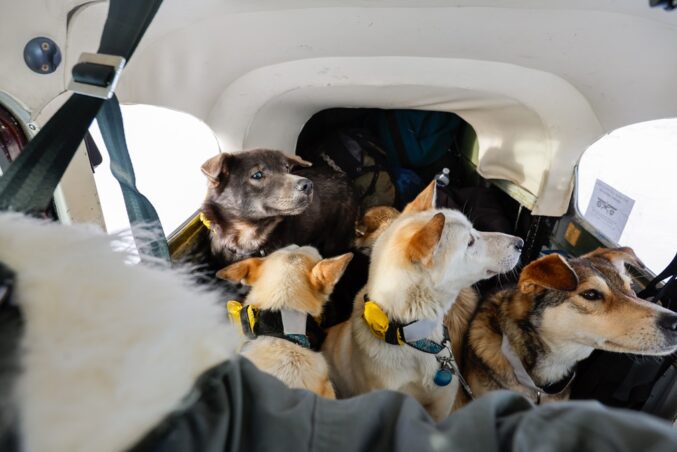
The letter “I” has followed me all the way from Iowa to the Iditarod and specifically for today’s Iditarod Teacher’s Conference. What an incredibly interesting day we had learning from so many people including teachers, the Iditarod Air Force, master photographer Jeff Schultz, race veterinarian, communications Center, and former Race Marshall, Mark Nordman. To say that their important race information was amazing is an understatment. A few of the things that resonated with me was the imaginative talent of Jeff Schultz who shared his images and how to capture the perfect photograph. We are now better at using skills such as time-lapse, cropping, contrast, and long exposure as well as placing the subject in just the right spot. Our photos will definitely be improved because of his presentation. Former lead veterinarian, Greg Closter, gave us valuable insight into the care and protection of the dogs. He shared the top issues dogs face that will lead to them being returned from the race. 1. lameness and foot issues 2. diarrhea 3. GI ulcers 4. vomiting 5. hyperthermia (hot- temp >107) 6. sled dog myopathy (body breaks down muscle) 7. pneumonia 8. ADR (ain’t doin’ right). Veterinarians on the trail must investigate all of these possible issues to keep sled dogs happy and healthy. Above all, the mushers know and trust their dogs, so they rely heavily on their own intuition. Lastly, one final story shared by the IAF (Iditarod Air Force) representative, Rebecca Lawson, was truly funny. She said one trick they use as pilots if dogs are not getting along during the flight is to go weightless for a few seconds. We could all imagine the dogs feeling that intense drop in their stomachs as the plane falls slightly. She said it’s all they need to shape them right up! I also had the pleasure of presenting about the Iditarod to 4th grade students at Rilke Schule German Immersion School here in Anchorage. As I reflected on this wonderfully fulfilling conference day and looked around at the other teachers in the room, I kept coming back to Joe Redington. It is because of the the inspiration of one man that we are all sitting here today, gathered miles from home, to share the love of this race. Now that is incredible!
Immigration Ideas: Explore the immigration of people in Alaska over time.
1. Timeline Walk- Create a timeline around the room showing major waves of people from indigenous people to today. Students move through recording answers to specific questions.
2. Why Come to Alaska?- Focus on push and pull factors of Alaskan people. Sort cards into the two categories. These cards can be simple for younger students or more complex for older students.
3. Suitcase from the Past- Students imagine they are immigrants coming in a certain era (Russian fur traders, gold miners, cannery workers, oil pipeline workers). They draw 5 things they would pack in the suitcase for the person. Share and explain reasons.
4. Interview- Students pretend to interview someone coming to Alaska asking questions about reasons, the journey, jobs, and surprises.
5. Build a Town- Students work together in groups to build a new town in Alaska. Each student has a job (teacher, miner, fisher, trader, builder). They must work together to meet the needs of everyone. Younger students can use a simplified version where they build a town with blocks and add things such as a school, a fishing spot, airplanes, doghouses, and other buildings.